Cock’s Bazaar Weavers — Preserving Heritage through Commerce
A story of resilience, heritage, and survival through niche value in Pakistan’s textile industry.
Cock’s Bazaar in Karachi has been a hub of artisanal weaving for generations, producing handwoven and loom-based fabrics that catered to both local and export markets. While the rise of power looms shifted much of the textile industry towards automation, Cock’s Bazaar artisans found ways to preserve relevance by focusing on niche, high-value products for domestic designers and international buyers.
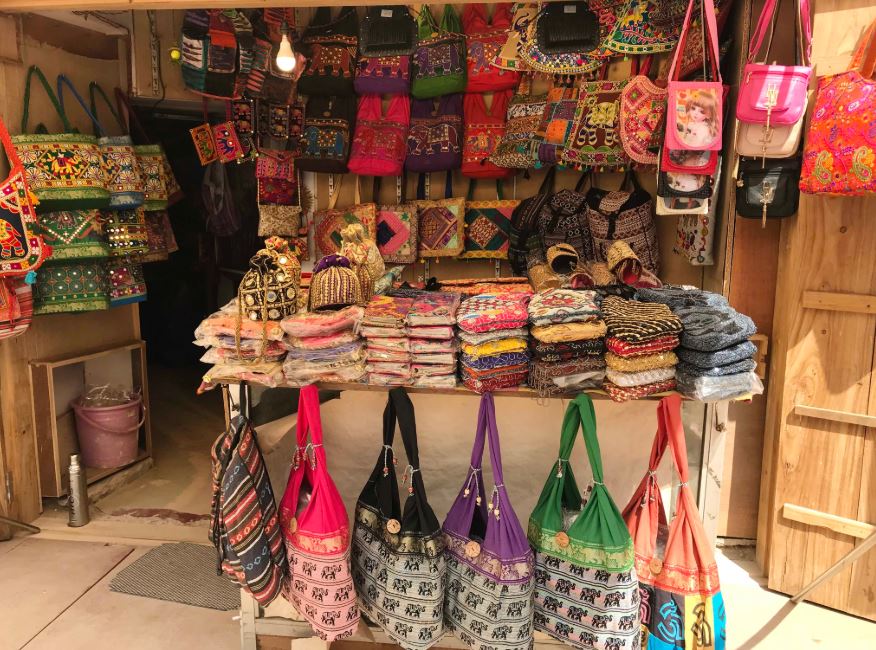
These SMEs faced multiple challenges, including energy shortages, limited access to finance, and competition from low-cost mass production. Yet, they leveraged their heritage value to secure contracts with boutiques, fashion designers, and exporters looking for unique textiles. In recent years, partnerships with NGOs and trade bodies helped Cock’s Bazaar units upgrade equipment and improve compliance, ensuring they met international quality standards.
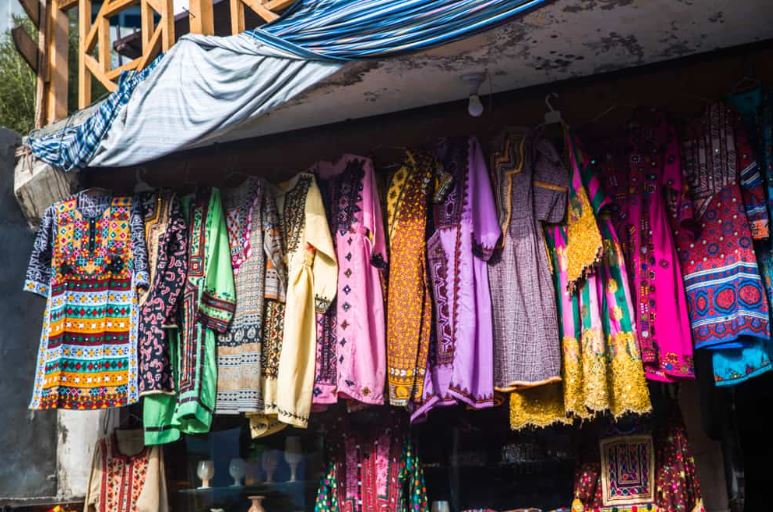
Commercial & Financial Impact
By producing fabrics for high-end fashion collections and niche export markets, Cock’s Bazaar weavers sustained livelihoods for hundreds of families while contributing to Pakistan’s cultural and textile diversity.
Sector-wide Impact
Cock’s Bazaar is a case study in SME resilience. It highlights how heritage and authenticity can be leveraged commercially in the face of industrialization. For APPLA, this success story illustrates how small clusters can differentiate themselves and sustain value even without scaling to massive operations.