RGAR Manufacturing (Ishaq Textile) — SME Integration Model
A mid-sized weaving SME that transformed its business by adopting vertical integration and compliance-driven growth.
RGAR Manufacturing, also known as Ishaq Textile, began as a mid-sized weaving SME. Recognizing the limitations of operating solely as a weaving unit, the company pursued vertical integration, adding spinning and finishing processes. This move allowed RGAR to capture more value within its supply chain, reduce dependency on volatile yarn markets, and improve delivery times to buyers.
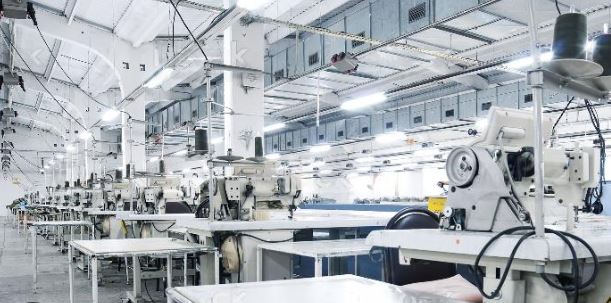
RGAR’s export footprint includes Europe and the Middle East, with orders for both fabrics and finished products. The company emphasized compliance and certifications—ISO standards, social audits, and worker welfare—to meet the demands of international buyers.
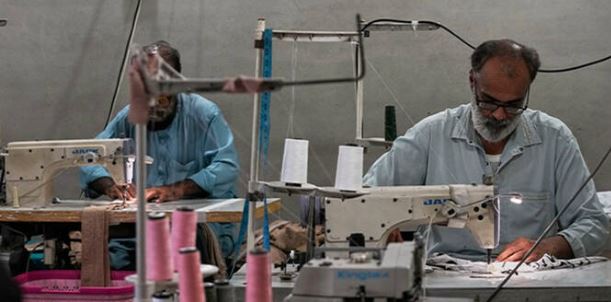
Smart Integration
These investments paid off, helping RGAR secure long-term partnerships with global retailers while staying lean compared to large conglomerates. The focus remained on quality and efficiency rather than chasing high volumes.
Financially, RGAR demonstrated consistent profitability by building strategic resilience instead of rapid expansion. Its journey is particularly relevant for SMEs that may not have the scale of Nishat or Interloop but can still compete internationally by adopting targeted integration strategies.
Sector-wide Impact
RGAR shows how SMEs can graduate from survival to sustainability by carefully integrating processes, prioritizing compliance, and targeting mid-tier international markets. For APPLA, it serves as a practical example of SME resilience and competitiveness in the textile value chain.