Khaadi — Scaling from SME to Retail Empire
From a single artisanal store in Karachi to a global retail brand redefining Pakistani fashion.
Khaadi was founded in 1998 by Shamoon Sultan, who sought to revive the art of handwoven khaddar fabric. Starting with a single store in Karachi, Khaadi was essentially an SME rooted in artisanal weaving. Over time, it became a retail empire, operating more than 60 stores worldwide and becoming one of Pakistan’s most recognizable fashion brands.
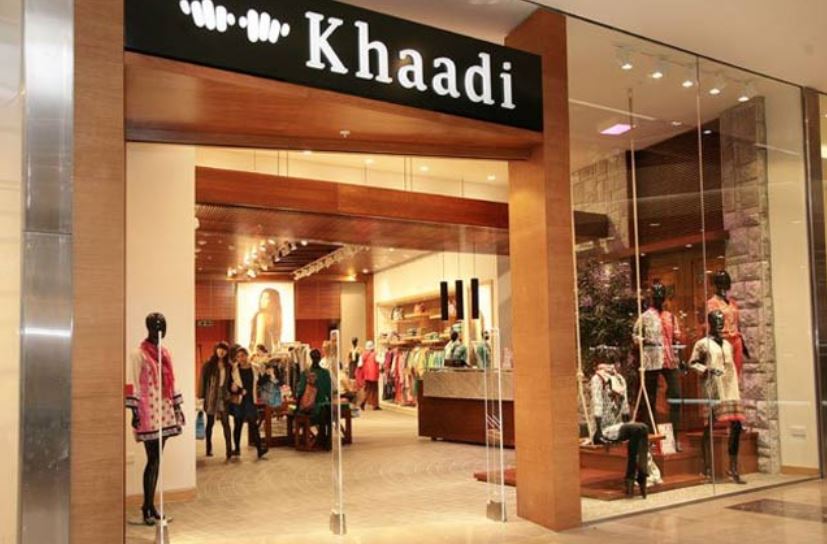
The key to Khaadi’s success lay in its ability to blend traditional craftsmanship with modern retail practices. While handwoven fabrics were its origin, Khaadi invested in design innovation, supply chain modernization, and vertical partnerships with SME weaving and dyeing units. This hybrid approach allowed the brand to offer both authenticity and scale.
Blending Heritage with Modern Retail
Khaadi also embraced fast fashion dynamics, regularly introducing seasonal collections to maintain consumer interest, while staying true to its cultural roots.
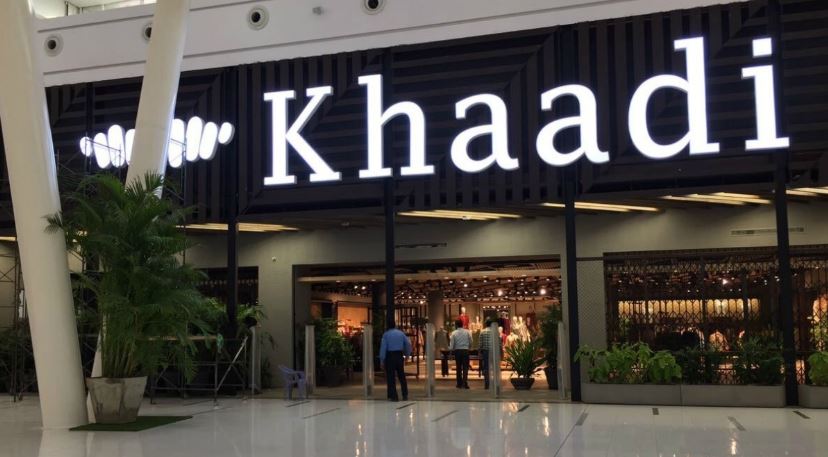
Financially, Khaadi’s expansion into international markets—including stores in the UK and Middle East—illustrates how a small Pakistani SME could compete globally by building a strong identity. Revenues grew into billions of PKR annually, creating thousands of jobs across its supply chain. Khaadi’s integration with SME suppliers ensured that its growth also uplifted artisans and small manufacturers.
Sector-wide Impact
Khaadi’s journey underscores the potential of SMEs in Pakistan’s textile sector to scale into household names through branding, innovation, and cultural resonance. For APPLA’s audience, Khaadi exemplifies how weaving-based SMEs can build value by aligning heritage with global retail trends.