Nishat Mills Limited — Vertical Integration at Scale
From a small weaving unit in the 1950s to one of Pakistan’s largest vertically integrated textile conglomerates.
Nishat Mills is one of Pakistan’s earliest textile success stories, tracing its roots back to the 1950s. Over the decades, Nishat expanded from a spinning and weaving unit into one of the country’s largest vertically integrated textile conglomerates. Today, it encompasses spinning, weaving, dyeing, finishing, stitching, and even its own captive power generation units. This integration has allowed Nishat to serve markets in over 40 countries, supplying fabrics, apparel, and home textiles.
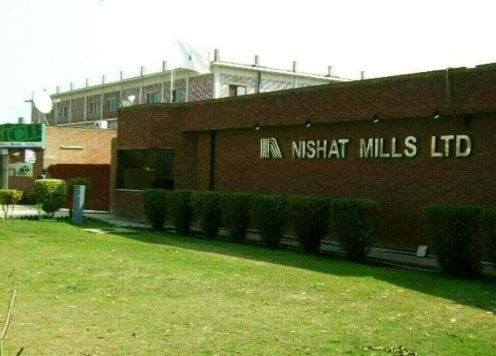
The company’s strategy focused on financial prudence and capitalizing on scale. By investing heavily in state-of-the-art machinery and integrating across the textile value chain, Nishat reduced reliance on third-party suppliers and controlled quality end-to-end.
Resilience through Integration
This became a competitive edge, particularly during volatile times when yarn and fabric shortages crippled smaller weaving SMEs. Nishat also invested in power plants, insulating itself from electricity shortages that paralyzed many competitors.
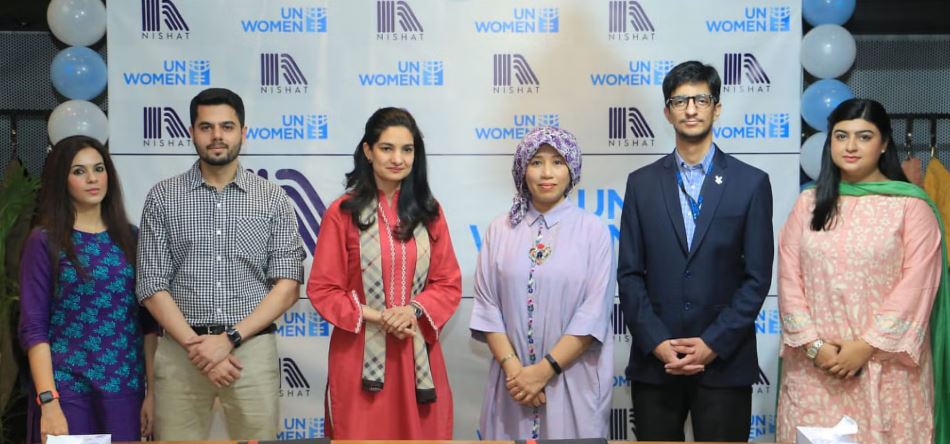
Listed on the Pakistan Stock Exchange, Nishat Mills has consistently been one of the most profitable textile firms, with revenues crossing PKR 100 billion in multiple fiscal years. Its stock is considered a bellwether for the sector. Beyond financial metrics, Nishat has provided stable employment to thousands and set benchmarks in compliance and export diversification.
Sector-wide Impact
Nishat’s success story shows how capital access, prudent governance, and long-term vision can stabilize a textile enterprise against external shocks. While most SMEs may not replicate its scale, they can emulate Nishat’s incremental integration—adding processes like dyeing or stitching to capture more value and reduce dependency on volatile markets.